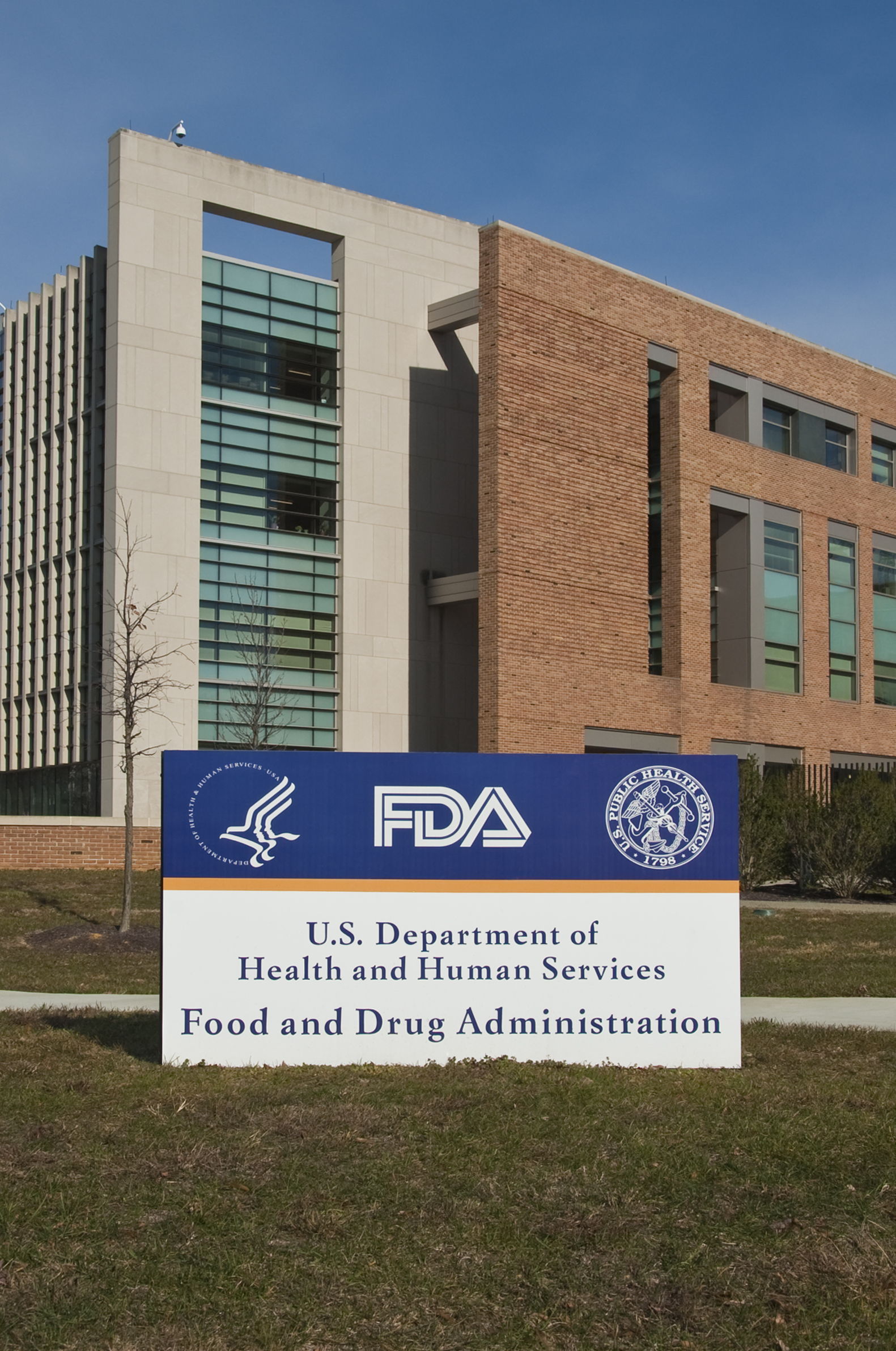
 Allulose is Generally Recognized as Safe (GRAS)
The U.S. Food and Drug Administration (FDA), responsible for assuring the safety and security of our nation’s food supply, has helped the United States earn a reputation for having the safest food in the world. A big part of the success has been in the approval of new substances. FDA’s two paths for approval of a new substance — food additive petition process and the GRAS process — require that substances be shown as safe for intended use.
Manufacturers of allulose submitted scientific evidence of safety, including publicly available research, with the notification for FDA’s review. In 2012, in response to a Generally Recognized As Safe (GRAS) notification, the FDA stated it has no questions regarding the conclusion of expert panels that allulose is GRAS for use as a general purpose sweetener in foods and beverages where sugar or fructose would normally be used. A list of uses under GRAS notifications are shown here: 400 and 498.
Learn More

Brain Activity & Connectivity Changes: Response to Natural Sugar Replacements & Artificial Sweeteners – Nutritional Neuroscience

IFT19 showcases solutions for clean-label trends – Beverage Industry

Tate & Lyle talks allulose: The first two things consumers look for are calories and sugar – Food Navigator

Initial sales of low-carb cereal Magic Spoon have exceeded expectations – Food Navigator
FDA Exempts Allulose from Added Sugar Labeling Requirements

Study Finds Anti-Obesity Potential of Allulose

Importance of Clear Nutrition Information for Diabetes Management: Spotlight on Allulose
Allulose & the New Nutrition Facts Label

Rare Sugars: Demystifying Diamonds in the Rough